




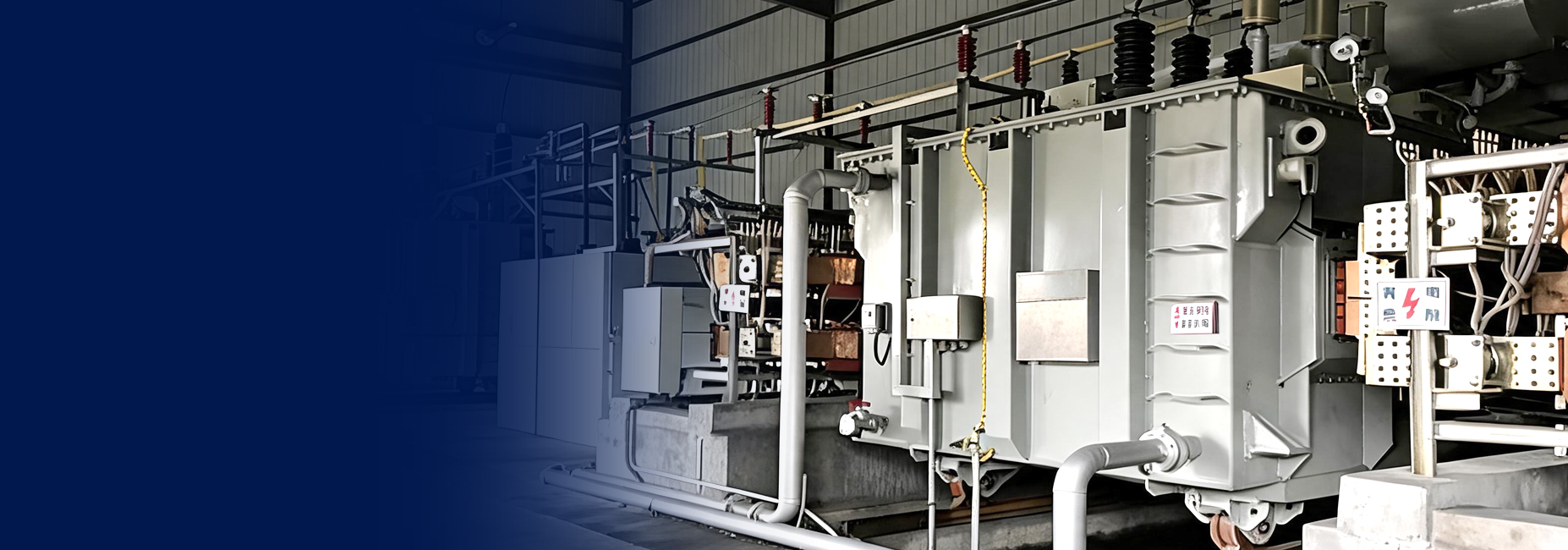
Rectifier Transformer
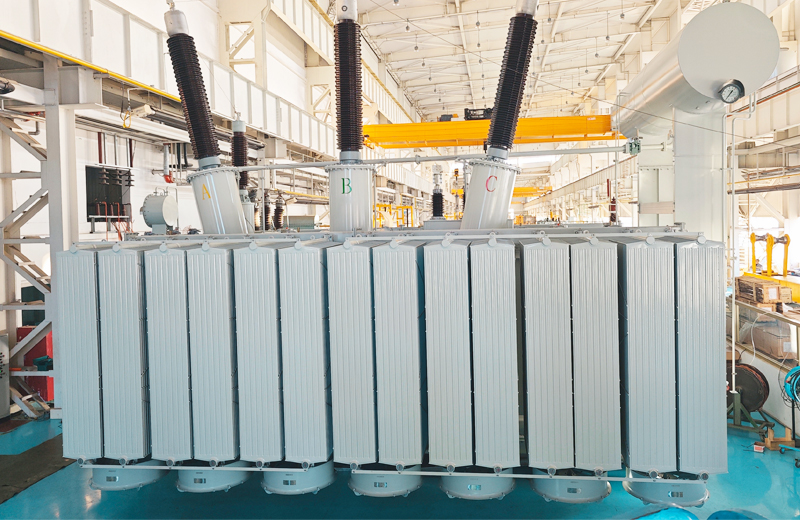
A rectifier transformer is a specialized transformer designed to operate as part of a complete system with thyristor- or diode-based rectifiers.
 Products
Rectifier Transformer
Products
Rectifier Transformer
High-Performance Harmonic Mitigation
Optimized multi-pulse winding configurations and internal magnetic shielding significantly reduce harmonic leakage flux, limit localized overheating caused by harmonics
High Tolerance for DC Components & Unbalanced Loads
The insulation system and mechanical structure are reinforced to withstand DC bias and three-phase current imbalance.
Flexible, Custom-Engineered Rectifier Configurations
Custom configurations are available for 6-pulse, 12-pulse, 24-pulse, and special phase-shifting requirements.
Reliable Continuous-Duty Operation
Finite-element thermal analysis is used to verify hot-spot temperatures, and high-temperature-resistant insulation materials are selected for demanding operating conditions.
Applications
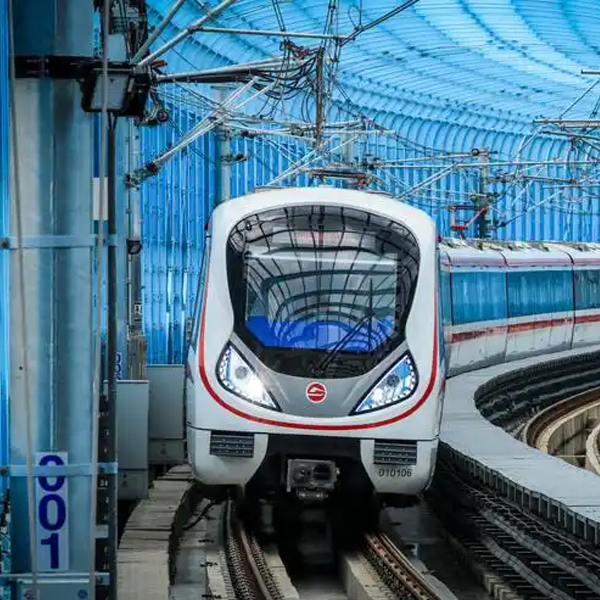
Rail & Traction Power Systems
Used in rectifier power systems for urban rail transit, subway systems, and industrial traction applications, with designs capable of handling frequent load changes and cyclic duty.
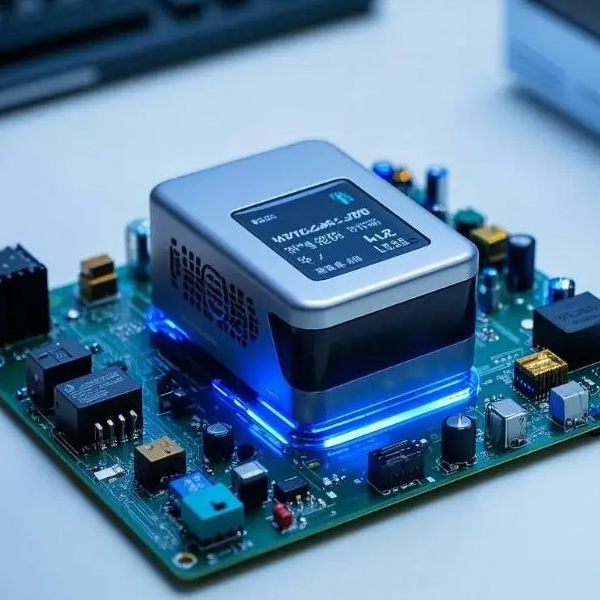
Industrial DC Power Systems
Suitable for rolling mills, DC motor drives, industrial heating equipment
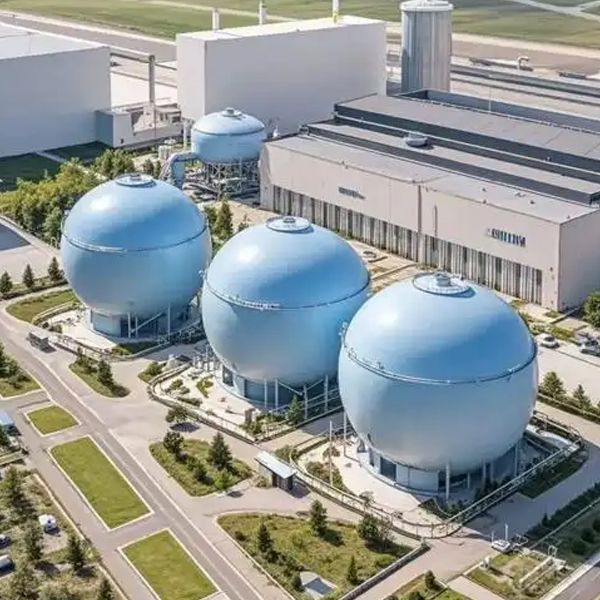
Electrochemical Processing & Hydrogen Production
Used with chlor-alkali electrolysis, water-electrolysis hydrogen production, electroplating
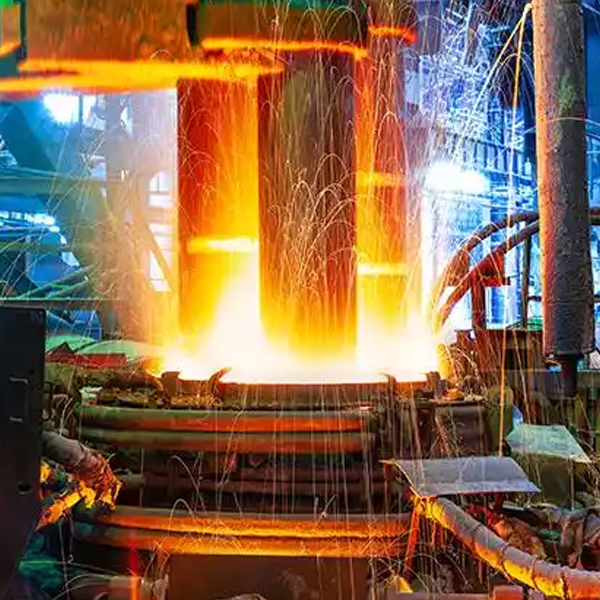
Electrolytic Metallurgy
Designed for copper, zinc, aluminum, manganese, and other nonferrous-metal electrolysis applications
Technical Highlights
| Item | Specification |
|---|---|
| Rated Capacity | 300 kVA–120 MVA |
| Primary Voltage | 12.47 kV/34.5 kV/69 kV/115 kV |
| Secondary Configuration | Multiple windings,custom phase shifting,low-voltage/high-current output |
| Frequency | 50 Hz / 60 Hz |
Related Products
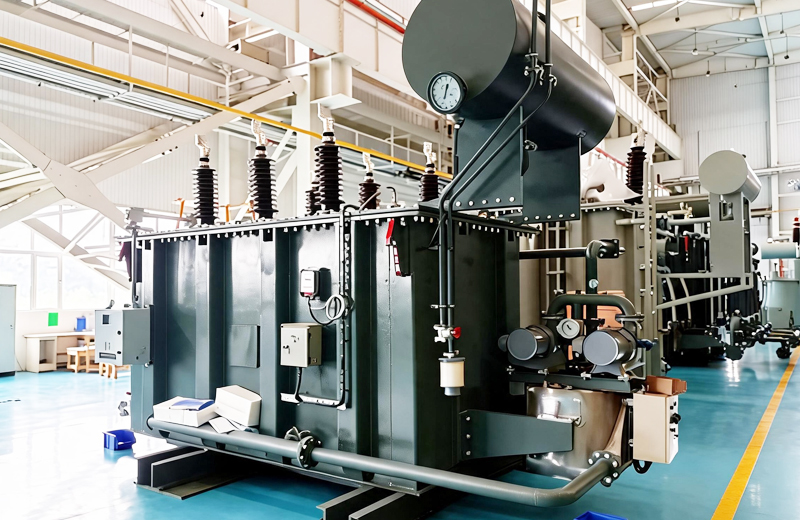
Reactor
It is an indispensable supporting component for rectifier systems, medium-voltage distribution and harmonic filtering devices.
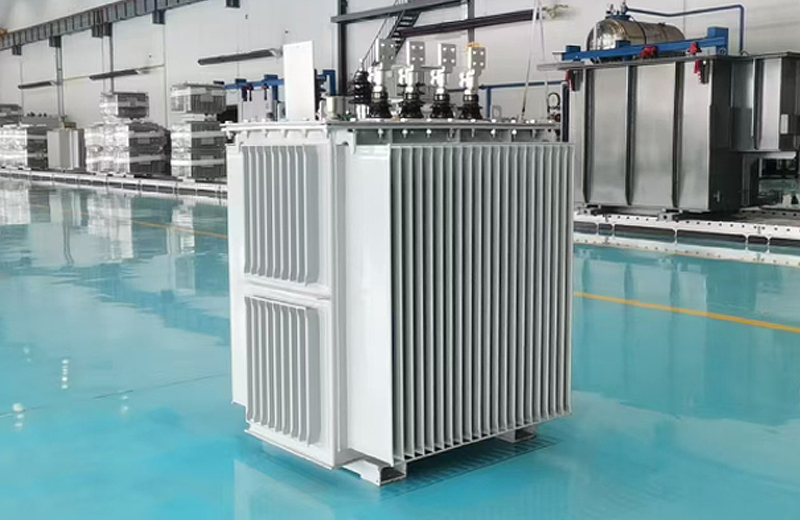
Distribution Transformer
A distribution transformer is a step-down transformer designed for installation at the final stage of the electrical distribution network.
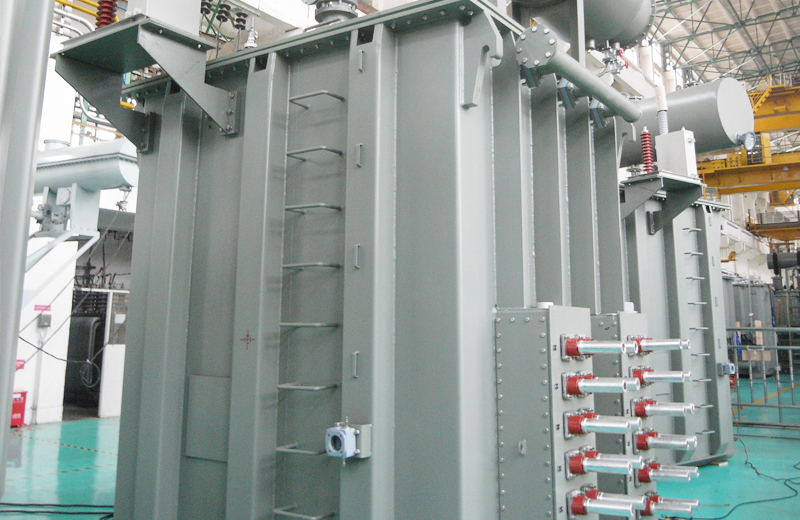
Furnace Transformer
A furnace transformer is a specialized transformer designed for high-temperature metallurgical smelting applications.
Power Transformers
These transformers feature high capacity, strong insulation performance, and the ability to withstand short-circuit forces.
Product Introduction
Product Description
Rectifier Transformer
Sanding rectifier transformers are special-purpose power transformers designed for use with rectifier systems.They are widely used in industrial electrolysis,DC power systems,electrochemical processing,traction power systems,and other applications involving significant harmonic content.This series is specifically engineered to handle the nonsinusoidal currents,harmonics,and DC components produced by rectifier equipment.Optimized electromagnetic design,magnetic shielding,and insulation systems help suppress harmonic effects,reduce localized overheating,and improve three-phase current balance.
Unlike conventional power transformers,rectifier transformers are exposed to substantial harmonic content and unbalanced loads during continuous operation.Sanding uses multi-winding configurations,enhanced magnetic shielding,and insulation systems designed for harmonic-rich environments to accommodate rectifier arrangements such as 6-pulse,12-pulse,and 24-pulse systems.Designed and manufactured in accordance with applicable IEC and GB standards,these transformers provide reliable operation with rectifier equipment under heavy-duty,continuous-process conditions.
Core Advantages
High-Performance Harmonic Mitigation
Optimized multi-pulse winding configurations and internal magnetic shielding significantly reduce harmonic leakage flux,limit localized overheating caused by harmonics,minimize harmonic distortion reflected back into the power system,and help protect upstream electrical equipment.
High Tolerance for DC Components&Unbalanced Loads
The insulation system and mechanical structure are reinforced to withstand DC bias and three-phase current imbalance.The design accommodates frequent load fluctuations common in electrolytic processes and helps prevent winding deformation and insulation damage caused by DC components and electrodynamic forces.
Flexible,Custom-Engineered Rectifier Configurations
Custom configurations are available for 6-pulse,12-pulse,24-pulse,and special phase-shifting requirements.Options include adjustable secondary voltage,high-current output,and either off-circuit or on-load tap changing to match the process requirements of electrolysis,hydrogen production,electroplating,traction,and other rectifier applications.
Reliable Continuous-Duty Operation
Finite-element thermal analysis is used to verify hot-spot temperatures,and high-temperature-resistant insulation materials are selected for demanding operating conditions.The design provides low noise,low vibration,and high operating reliability for continuous,24/7 heavy-industrial service.
Technical Highlights
| Item | Specification |
|---|---|
| Rated Capacity | 300 kVA–120 MVA |
| Primary Voltage | 12.47 kV/34.5 kV/69 kV/115 kV |
| Secondary Configuration | Multiple windings,custom phase shifting,low-voltage/high-current output |
| Frequency | 50 Hz / 60 Hz |
| Rectifier Pulse Configuration | 6-pulse/12-pulse/24-pulse(customizable) |
| Applicable Standards | IEC 60076,IEC 61378,GB/T series standards |
| Cooling Method | ONAN / ONAF / OFAF |
| Tap-Changing Method | Off-circuit tap changer / On-load tap changer (OLTC) |
| Optional Features | Partial-discharge monitoring, winding-temperature monitoring, Buchholz relay |
Precautions for Use&Maintenance
Operation Precautions
Rectifier transformers must be operated within the harmonic and load limits specified by the design.Continuous overload operation should be avoided.Particular attention should be given to temperature rise caused by harmonic losses.Monitor winding hot-spot temperature,oil temperature,and operating noise during service.Periodically verify proper coordination between the transformer and rectifier equipment,since incorrect phase-shift parameters can create additional harmonic losses.Avoid abrupt and frequent load changes over short periods.If an overtemperature alarm occurs,reduce the load or de-energize the equipment for inspection immediately.
Environmental Requirements
Install the transformer in a well-ventilated,dry,low-dust environment.Prevent corrosive gases and conductive dust from entering the equipment.Outdoor installations should include appropriate weather protection,sun shielding,and lightning protection.High-temperature and high-humidity conditions can accelerate insulation aging,particularly in harmonic-rich operating environments.
Daily Maintenance
Periodically inspect insulating-oil quality,oil level,and sealing condition.Check the tightness of bus and cable connections,since vibration associated with harmonic-rich operation may contribute to loose connections.Keep radiators and cooling surfaces clean to maintain effective heat dissipation.For units equipped with online monitoring,closely review hot-spot temperature and partial-discharge trends.Perform routine oil analysis and electrical testing at intervals appropriate for the operating conditions and maintenance program.
Safety Inspection&Fault Handling
All inspection and maintenance work must be performed with the transformer de-energized,isolated,and properly grounded.Live maintenance is strictly prohibited.Do not modify internal windings or phase-shift connections without authorization,as doing so can alter the transformer's harmonic performance.If abnormal noise,a rapid temperature increase,or a protective-device operation occurs,de-energize the high-voltage supply first and have qualified personnel investigate the cause.Any modification to the associated rectifier system should be evaluated by the manufacturer or a qualified engineering team to prevent transformer damage.

PROVEN PERFORMANCE IN THE FIELD
See how our reactor solutions help utilities and industries around the world improve grid stability and power quality.