




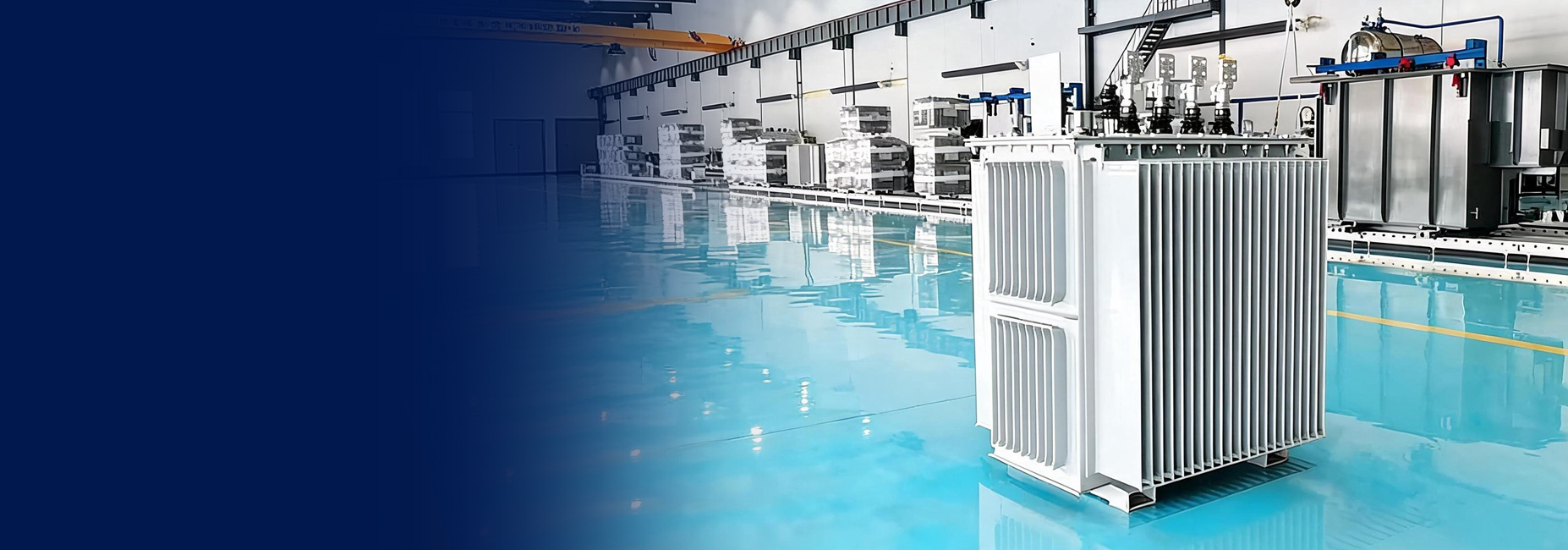
Distribution Transformer
A distribution transformer is a step-down transformer designed for installation at the final stage of the electrical distribution network.
 Products
Distribution Transformer
Products
Distribution Transformer
Compliance with U.S. Standards & Grid Compatibility
Designed and manufactured in accordance with applicable ANSI C57.12 and IEEE standards, these transformers support common North American primary voltage classes up to 12.47 kV
Ultra-Low Losses & Energy Efficiency
High-grade grain-oriented silicon steel cores and optimized electromagnetic designs help significantly reduce no-load and load losses compared with conventional designs
Fully Sealed & Low-Maintenance Design
A fully sealed, welded tank design isolates the insulating oil from air and moisture, helping reduce oil oxidation and moisture-related insulation issues
Low-Noise Operation & Enhanced Safety
An optimized core vibration-control process and winding support structure help reduce operating noise and resonance
Applications

Public Infrastructure
Suitable for power distribution in transportation hubs

Commercial & Residential Buildings
Widely used in shopping centers
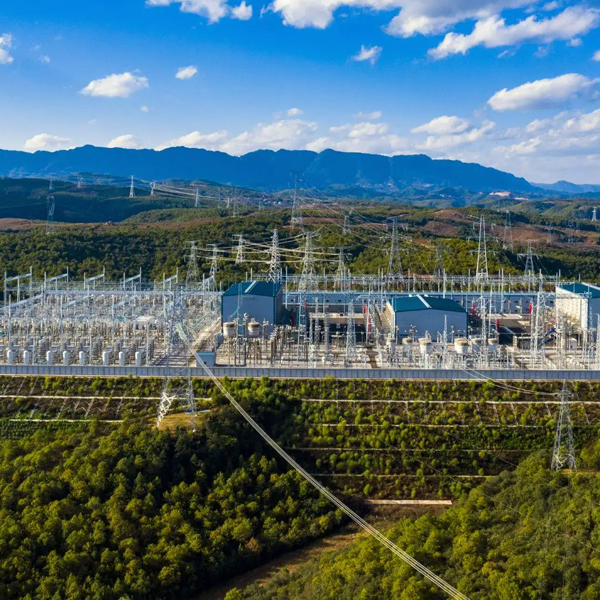
Industrial Parks & Manufacturing Facilities
Suitable for voltage transformation

Urban & Rural Power Distribution
Used for final-stage voltage transformation and power distribution in urban and rural power systems
Technical Highlights
| Item | Specification |
|---|---|
| Rated Capacity | 50 kVA–5,000 kVA |
| Primary Voltage(U.S.Standard) | Up to 12.47 kV |
| Secondary Voltage | 120/240 V,208/480 V,600 V(customizable) |
| Frequency | 60 Hz(50 Hz optional) |
Related Products
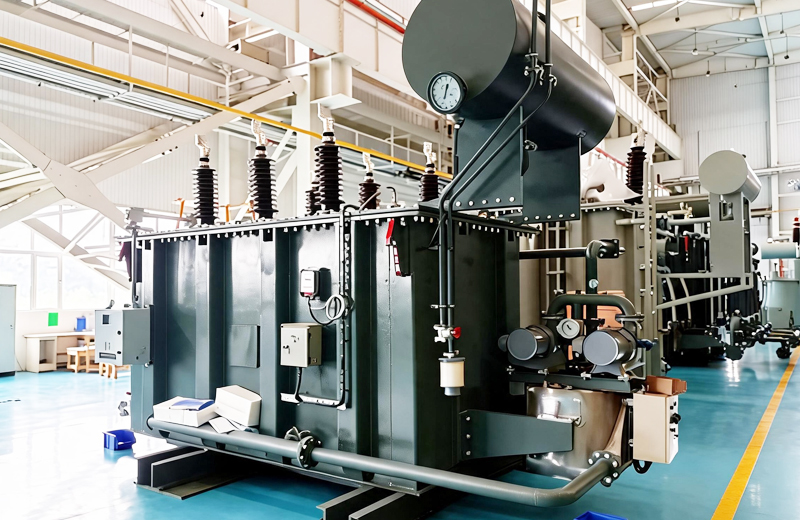
Reactor
It is an indispensable supporting component for rectifier systems, medium-voltage distribution and harmonic filtering devices.
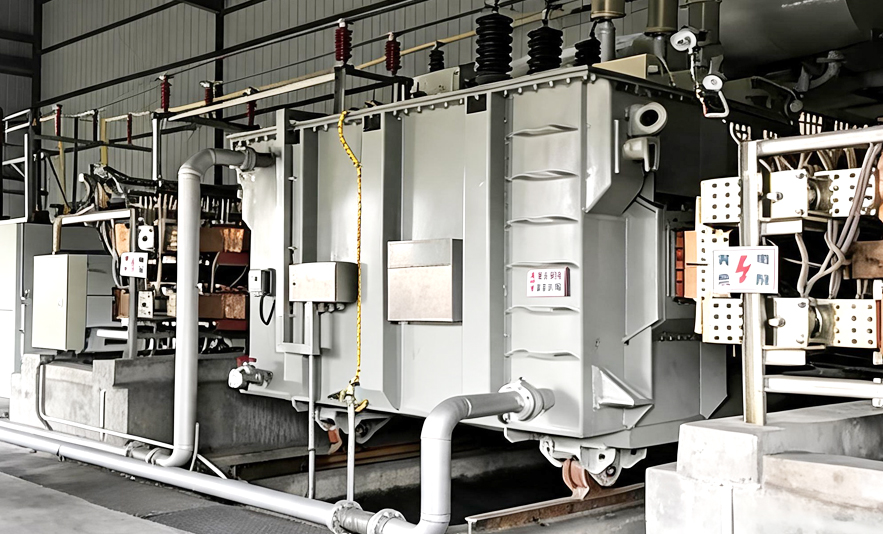
Rectifier Transformer
A rectifier transformer is a specialized transformer designed to operate as part of a complete system with thyristor- or diode-based rectifiers.
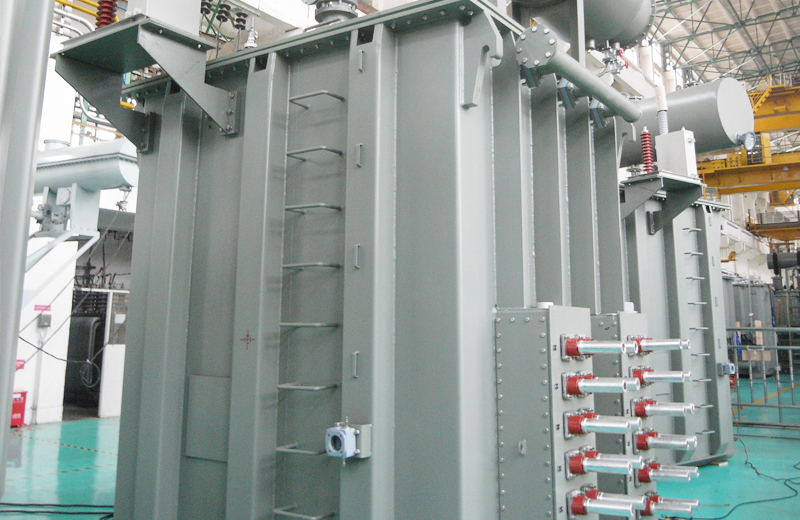
Furnace Transformer
A furnace transformer is a specialized transformer designed for high-temperature metallurgical smelting applications.
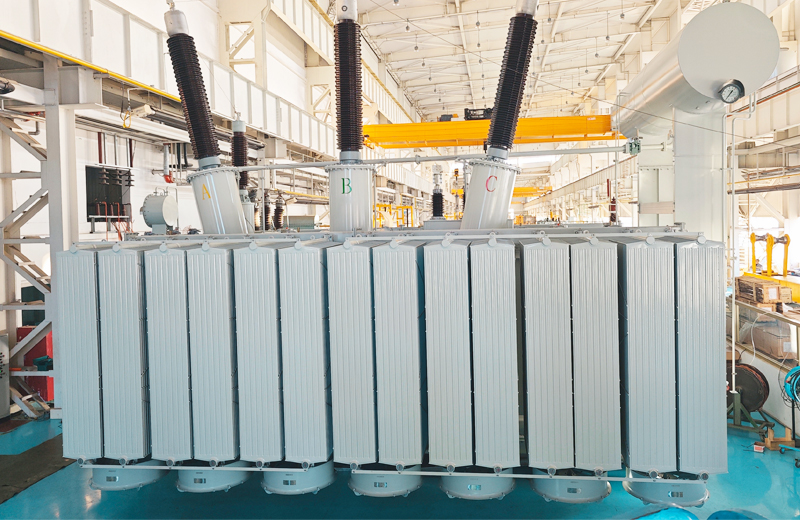
Power Transformers
These transformers feature high capacity, strong insulation performance, and the ability to withstand short-circuit forces.
Product Introduction
Product Description
Distribution Transformer
Sanding distribution transformers are low-loss,high-reliability power distribution equipment designed in accordance with ANSI and IEEE standards for North American power systems as well as commercial and industrial applications worldwide.They are primarily used for final-stage voltage transformation and power distribution in utility grids,industrial parks,commercial buildings,factory auxiliary power systems,and residential communities.Featuring high-permeability,low-loss silicon steel cores,high-purity copper windings,and a fully sealed insulation system,these transformers offer excellent leak resistance,low noise,low no-load losses,and strong load adaptability.
Unlike specialty industrial transformers,distribution transformers are designed for continuous,long-term operation under typical loads,making safety and energy efficiency especially important.Sanding optimizes the core lamination process and winding insulation design to significantly reduce both no-load and load losses.The fully sealed tank design protects internal components from dust,moisture,and corrosive contaminants,supporting stable,low-maintenance operation in outdoor pole-mounted,pad-mounted/enclosed,and indoor distribution applications.Products are designed to meet applicable U.S.utility interconnection requirements and provide reliable power for commercial and industrial users.
Core Advantages
Compliance with U.S.Standards&Grid Compatibility
Designed and manufactured in accordance with applicable ANSI C57.12 and IEEE standards,these transformers support common North American primary voltage classes up to 12.47 kV.They are engineered for compatibility with overhead distribution systems,enclosed distribution substations,and end-use power distribution applications,providing strong adaptability for North American grid applications.
Ultra-Low Losses&Energy Efficiency
High-grade grain-oriented silicon steel cores and optimized electromagnetic designs help significantly reduce no-load and load losses compared with conventional designs.The energy-efficient construction lowers power losses over long-term operation,helping commercial and industrial users reduce operating costs while supporting energy-efficiency and emissions-reduction goals.
Fully Sealed&Low-Maintenance Design
A fully sealed,welded tank design isolates the insulating oil from air and moisture,helping reduce oil oxidation and moisture-related insulation issues.The design minimizes the need for oil replenishment and routine internal maintenance over the service life of the equipment,reducing ongoing maintenance requirements and making it well suited for outdoor,unattended distribution applications.
Low-Noise Operation&Enhanced Safety
An optimized core vibration-control process and winding support structure help reduce operating noise and resonance.Available protection features include overtemperature,overcurrent,and short-circuit protection,along with strong lightning-impulse withstand capability.The robust insulation system is designed to help prevent dielectric breakdown caused by grid disturbances and external stresses.
Technical Specifications
| Item | Specification |
|---|---|
| Rated Capacity | 50 kVA–5,000 kVA |
| Primary Voltage(U.S.Standard) | Up to 12.47 kV |
| Secondary Voltage | 120/240 V,208/480 V,600 V(customizable) |
| Frequency | 60 Hz(50 Hz optional) |
| Applicable Standards | ANSI C57.12,IEEE,IEC 60076 |
| Cooling Method | ONAN,ONAF |
| Tap Adjustment | De-energized tap changer,±2×2.5% |
| Construction | Fully sealed,oil-immersed;pole-mounted/enclosed type |
| Optional Features | Temperature monitoring,pressure-relief device,lightning protection device |
Operating&Maintenance Precautions
Operating Precautions
Distribution transformers should be operated within their rated voltage and load limits.Avoid prolonged overload conditions and frequent sudden load changes,which can accelerate insulation aging and cause excessive temperature rise.Before energizing the transformer,verify that the wiring configuration,voltage class,and grounding system comply with applicable ANSI and utility requirements.During operation,monitor transformer temperature,oil level,and operating noise.If an overtemperature alarm,abnormal noise,or oil leakage occurs,reduce the load or de-energize the transformer and arrange an inspection immediately.
Environmental Requirements
The equipment is suitable for outdoor pole-mounted applications and indoor installation within enclosed substations or transformer enclosures.The installation site should be well ventilated,dry,and free from highly corrosive gases and excessive conductive dust.Outdoor installations should include appropriate lightning protection,weather protection,and,where necessary,sun shielding to reduce the risk of lightning damage and long-term UV degradation of the enclosure.Avoid prolonged operation in environments with extreme heat or high humidity unless the equipment is specifically rated for those conditions.
Daily Maintenance
Regularly inspect the transformer seals,oil level,and enclosure condition for signs of leakage or damage.Check the tightness of high-and low-voltage terminals to help prevent poor connections caused by long-term vibration.Remove accumulated dust and debris from external surfaces as needed to maintain proper heat dissipation.For units equipped with monitoring devices,review temperature and operating data regularly to identify potential problems early.Perform insulation testing and insulating-oil analysis at intervals appropriate to the operating conditions and maintenance schedule.
Safety Inspection&Fault Handling
All inspection and maintenance work must be performed only after the transformer has been de-energized,isolated,and properly grounded.Live work is strictly prohibited.Do not modify internal wiring or voltage settings without authorization,as doing so may cause the equipment to fall out of compliance with applicable U.S.utility requirements.In the event of an unexpected trip,overtemperature condition,or abnormal noise,disconnect the power supply first and have qualified personnel inspect and correct the issue.Perform periodic safety checks and functional testing as required to maintain safe operation and grid compliance.

PROVEN PERFORMANCE IN THE FIELD
See how our reactor solutions help utilities and industries around the world improve grid stability and power quality.