




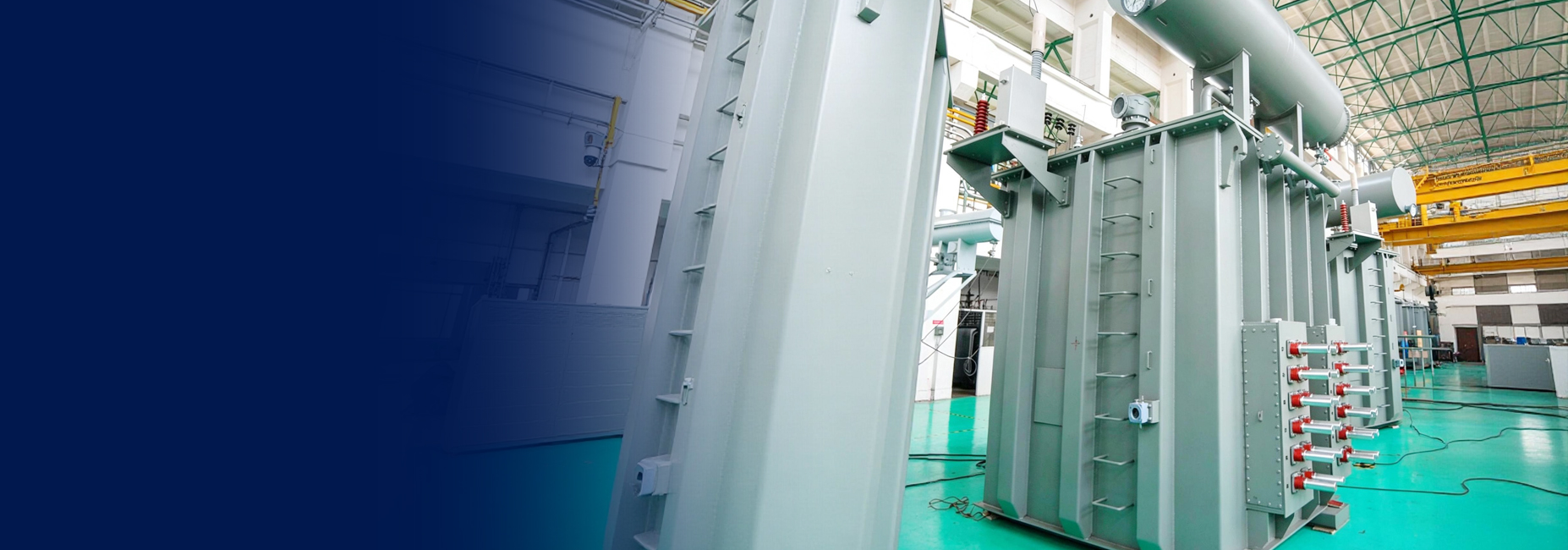
Furnace Transformer
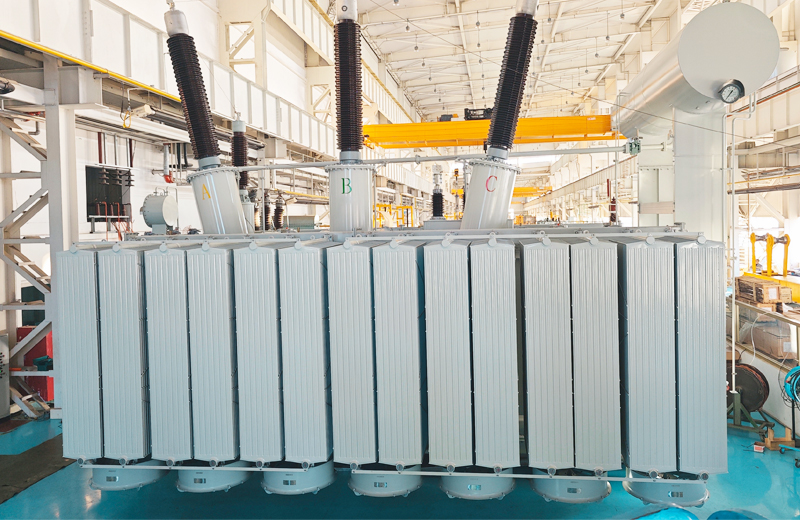
A furnace transformer is a specialized transformer designed for high-temperature metallurgical smelting applications.
 Products
Furnace Transformer
Products
Furnace Transformer
High Overload & Impact Withstand Capability
Smelting operations typically impose intermittent and highly dynamic loads
Stable Voltage & Improved Smelting Efficiency
The transformer is engineered for the voltage-drop characteristics of furnace loads, with optimized impedance and strong voltage-regulation performance
Application-Specific Smelting Solutions
Sanding provides application-specific designs for a wide range of smelting processes, including customized voltage ratios, high-current secondary outputs, multi-step voltage regulation, on-load tap changing, enhanced cooling, vibration-resistant construction, and high-temperature design options
Durable Construction & Lower Maintenance Requirements
The mechanical structure is reinforced and can be verified through finite-element analysis to withstand vibration and electromagnetic forces associated with long-term furnace operation
Applications
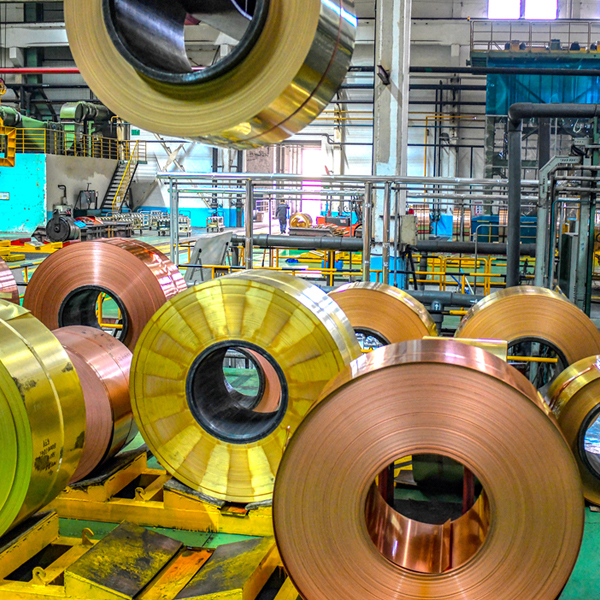
Nonferrous Metal Smelting
Supports the smelting and refining of nonferrous metals such as aluminum
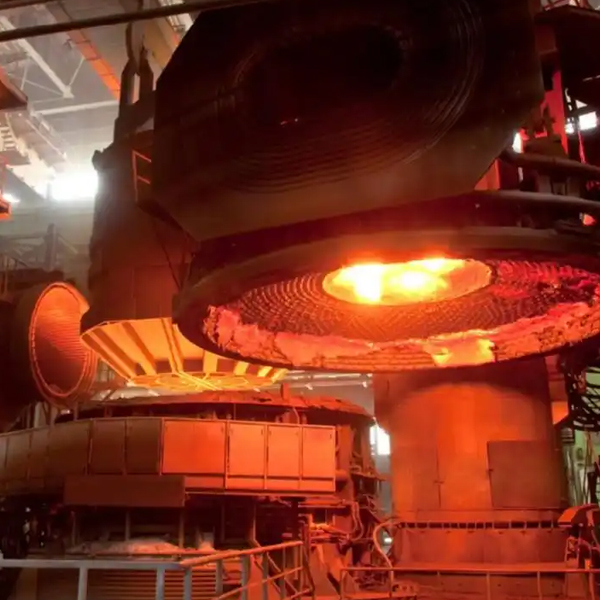
Steelmaking
Steelmaking & Metallurgical Electric Arc Furnaces
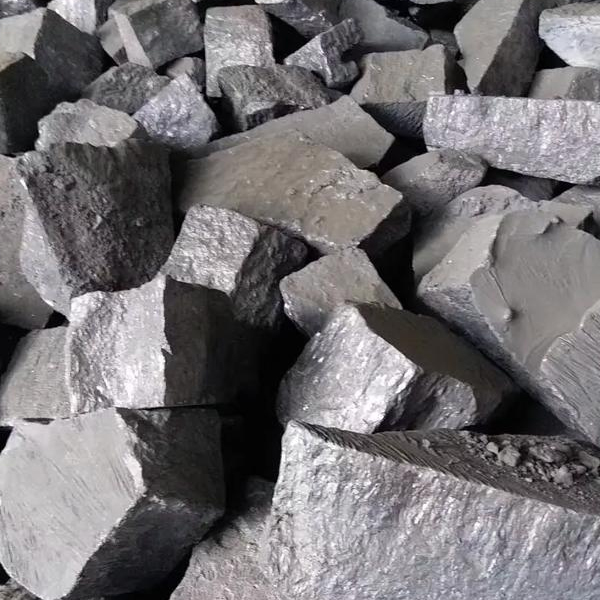
Industrial Silicon & Calcium Carbide
Purpose‑built power equipment for industrial silicon and calcium carbide furnaces
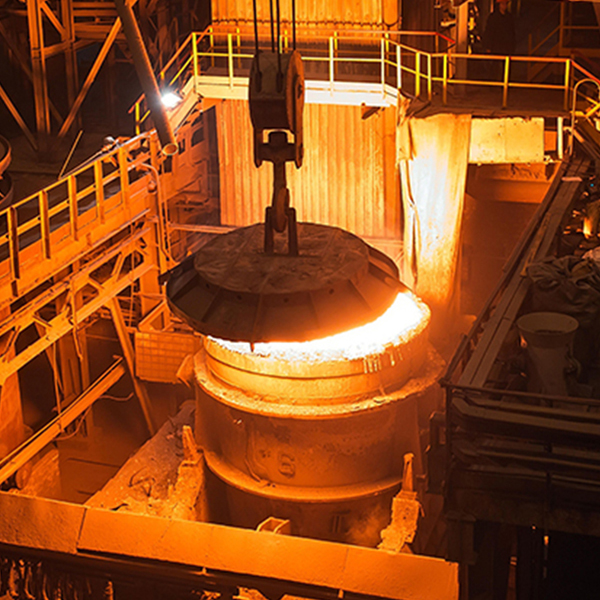
Ferroalloy Smelting
providing stable high-current power for reduction and smelting processes
Technical Highlights
| Item | Specification |
|---|---|
| Rated Capacity | 500 kVA – 150 MVA |
| High-Voltage Level | 10 kV/35 kV/66 kV/110 kV |
| Low-Voltage Output | Custom ultra-low-voltage, high-current output |
| Frequency | 50 Hz / 60 Hz |
Related Products
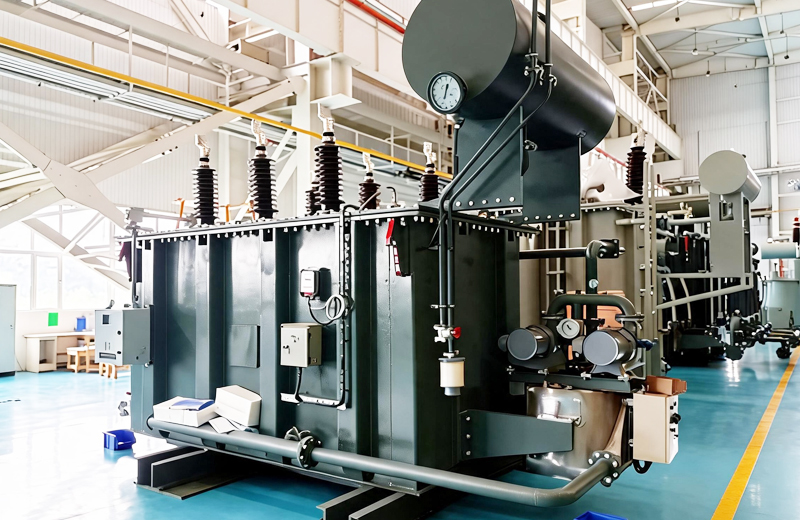
Reactor
It is an indispensable supporting component for rectifier systems, medium-voltage distribution and harmonic filtering devices.
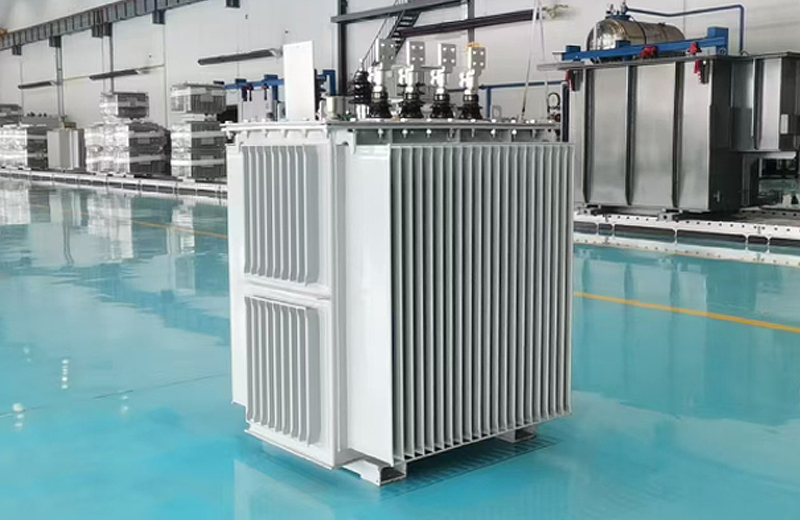
Distribution Transformer
A distribution transformer is a step-down transformer designed for installation at the final stage of the electrical distribution network.
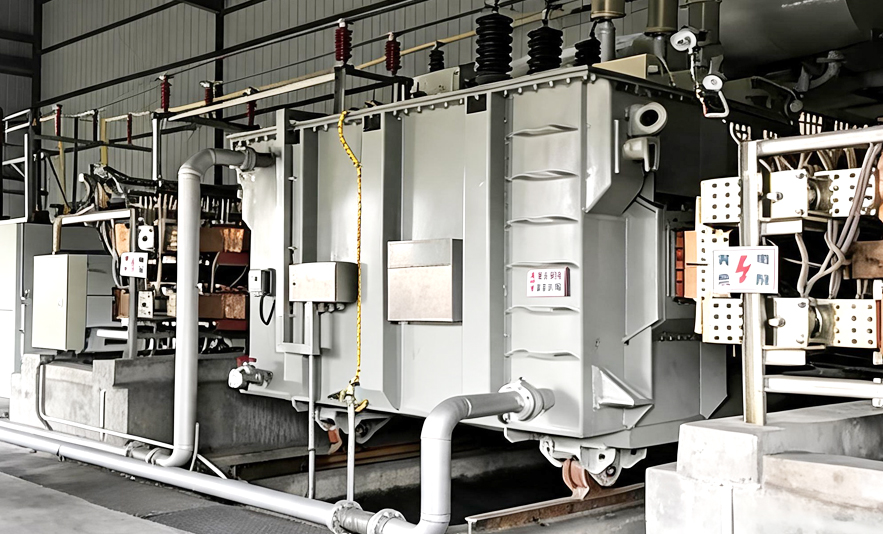
Rectifier Transformer
A rectifier transformer is a specialized transformer designed to operate as part of a complete system with thyristor- or diode-based rectifiers.
Power Transformers
These transformers feature high capacity, strong insulation performance, and the ability to withstand short-circuit forces.
Product Introduction
Product Description
Furnace Transformer
Sanding furnace transformers are heavy-duty transformers engineered specifically for industrial smelting and high-load furnace applications. This series is designed for electric arc furnaces, submerged arc furnaces, ferroalloy furnaces, industrial silicon furnaces, and other metallurgical and chemical furnace systems. Built with high-permeability, low-loss electrical steel, high-purity copper windings, and high-strength, heat-resistant insulation, these transformers provide high overload capability, excellent short-circuit withstand strength, and stable output performance.
Unlike conventional power transformers, furnace transformers must withstand frequent impact loads, periodic short-circuit conditions, severe current fluctuations, and continuous operation at elevated temperatures. Sanding optimizes the electromagnetic design, mechanical strength, and cooling system for these demanding operating conditions, helping control equipment temperature rise, maintain voltage stability, and reduce the effects of load disturbances on the power system. All units are rigorously tested in accordance with applicable international standards to support safe, reliable, long-term operation in demanding industrial smelting applications.
Core Advantages
High Overload & Impact Withstand Capability
Smelting operations typically impose intermittent and highly dynamic loads. Our furnace transformers use reinforced winding structures and optimized electromagnetic designs to withstand frequent current surges, momentary short-circuit conditions, and peak overloads within the specified design limits. This robust construction helps reduce the risk of winding deformation, accelerated insulation aging, and equipment failure caused by repeated load impacts, supporting greater production-line availability and continuity.
Stable Voltage & Improved Smelting Efficiency
The transformer is engineered for the voltage-drop characteristics of furnace loads, with optimized impedance and strong voltage-regulation performance. Stable secondary-voltage output under dynamic load conditions helps maintain consistent furnace operation, reduce specific energy consumption, and improve production efficiency and finished-product consistency.
Application-Specific Smelting Solutions
Sanding provides application-specific designs for a wide range of smelting processes, including customized voltage ratios, high-current secondary outputs, multi-step voltage regulation, on-load tap changing, enhanced cooling, vibration-resistant construction, and high-temperature design options. Configurations can be tailored for ferroalloy smelting, industrial silicon, calcium carbide, steelmaking, and other furnace applications where standard transformer designs may not meet process requirements.
Durable Construction & Lower Maintenance Requirements
The mechanical structure is reinforced and can be verified through finite-element analysis to withstand vibration and electromagnetic forces associated with long-term furnace operation. High-temperature- and aging-resistant insulation materials provide strong resistance to contamination and moisture. The resulting design supports long service life, high availability, and reduced maintenance requirements in 24/7 heavy-industrial production environments.
Technical Highlights
| Item | Specification |
|---|---|
| Rated Capacity | 500 kVA – 150 MVA |
| High-Voltage Level | 10 kV/35 kV/66 kV/110 kV |
| Low-Voltage Output | Custom ultra-low-voltage, high-current output |
| Frequency | 50 Hz / 60 Hz |
| Applicable Standards | IEC 60076, ANSI, GB/T standards |
| Cooling Methods | ONAN / ONAF / OFAF / forced-air cooling |
| Voltage Regulation | Off-circuit tap changer / on-load tap changer (OLTC) |
| Operating-Condition Capability | Designed for impact loads, vibration, high temperatures, and heavy-duty service |
| Optional Features | Online temperature monitoring, oil-level monitoring, fault early-warning system |
Precautions for Use & Maintenance
Operation Precautions
Furnace transformers must be operated within their specified loading limits. Momentary short-circuit events associated with smelting may be accommodated within the transformer’s design capability, but sustained peak overloads should be avoided to prevent accelerated insulation aging and winding damage. Before energization, verify the voltage rating, wiring configuration, and grounding system, and confirm that the circuit is free of faults. During operation, monitor temperature, oil level, voltage, and current. If abnormal temperature rise, oil leakage, or unusual voltage fluctuations occur, reduce the load or de-energize the transformer for inspection as appropriate. Avoid excessive switching or rapid load cycling that could subject the transformer to severe electromagnetic stress.
Environmental Requirements
Install the transformer in a well-ventilated, dry location with appropriate protection from dust and contaminants, or in a properly protected outdoor installation. Prolonged exposure to excessive heat, humidity, corrosive gases, or heavy dust can accelerate insulation deterioration and metal corrosion and may shorten service life. Outdoor installations should include appropriate weather, solar, and lightning protection to minimize the risk of water ingress and lightning-related damage.
Daily Maintenance
Periodically inspect insulating-oil condition, oil level, and sealing integrity, and address oil deterioration or leakage in accordance with the applicable maintenance procedures. Inspect winding insulation, bus connections, terminals, and fastening hardware for looseness or poor contact caused by long-term vibration. Keep transformer surfaces and cooling components clean to maintain effective heat dissipation. For units equipped with online monitoring, review operating data regularly to identify developing issues early. Perform inspections and electrical tests at intervals specified by the manufacturer and the site maintenance program.
Safety Inspection & Fault Handling
All inspection and maintenance work must be performed with the transformer de-energized, isolated, and properly grounded in accordance with applicable safety procedures. If an overtemperature alarm, abnormal noise, sudden voltage drop, or protective-device operation occurs, remove the unit from service and isolate the power supply before troubleshooting. Do not modify the transformer structure, internal connections, or components without authorization, as doing so may affect safety and operating performance. Fault diagnosis, repair, and periodic commissioning should be performed by qualified personnel in accordance with applicable industry safety requirements.

PROVEN PERFORMANCE IN THE FIELD
See how our reactor solutions help utilities and industries around the world improve grid stability and power quality.